

Industrial IoT Overview
Where machines talk, businesses grow faster than ever.
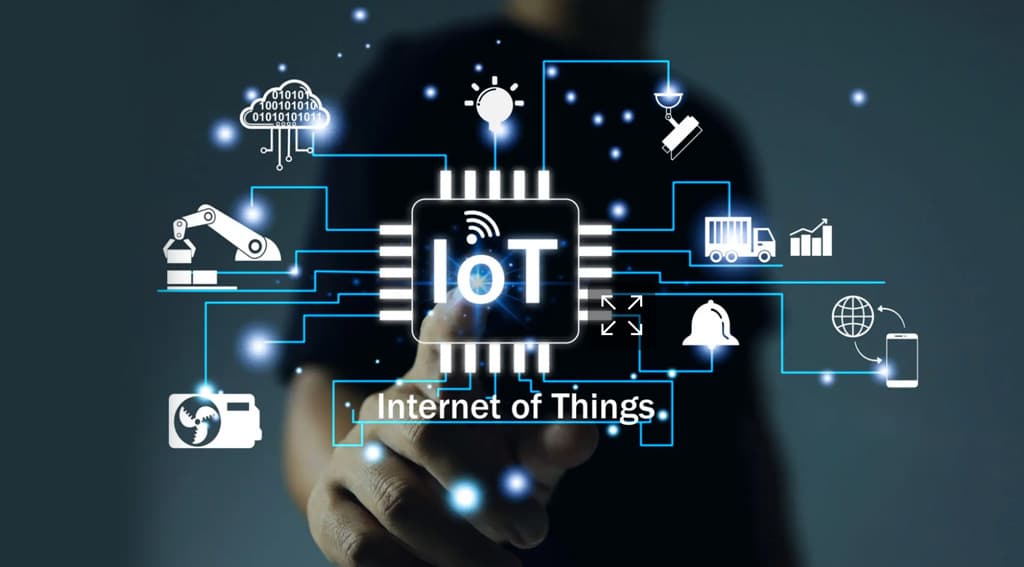
Industrial IoT is a framework that develops an ecosystem of connections amongst the machines, sensors, and functions to communicate in real time to provide smarter, quicker, and more effective results. It transforms real assets into smart data repositories that promote proactive decision-making, minimize boil downs, and optimize production processes within the whole plant. IIoT helps organizations to go beyond manual monitoring and open the door to a smarter and more responsive manufacturing environment.
Planning & Strategy
The industrial IoT needs a systematic roadmap that will align the technology with operations. With proper planning, companies may see the critical points of automation and data objectives and build clear avenues of integrating sensors, gateways, and analytics platforms. It is a method that allows you to monitor correctly, optimize processes, and scale in the long run without interfering with existing processes.
Technology & Integration
IIoT will be an effective addition to the SCADA systems, ERP systems, cloud dashboards, and machine controllers that would make sure that the data flow in the industrial chain is real-time. State-of-the-art sensors, edge computing, and AI-based analytics provide real-time information about machine status, energy consumption, production, and safety indicators. Having safe connectivity and intelligent automation, industries will have a complete outlook over the operations.
Business Benefits
Industrial IoT boosts productivity, minimizes downtime, cuts maintenance costs, and enhances overall operational efficiency. It empowers industries to make predictive decisions, maintain safer work environments, and scale production without unnecessary investments. Ultimately, IIoT transforms factories into intelligent, data-driven ecosystems prepared for the future of smart manufacturing.

